
The Complete Guide to SEO in 2026: What Actually Works
Search engine optimisation has changed dramatically over the past few years. Gone are the days of keyword stuffing, buying backlinks, and publishing hundreds of low-quality pages to rank on Google. In 2026, SEO is more sophisticated, more competitive, and more closely aligned with providing genuine value to users than ever before.
With the rise of AI-generated content, evolving search algorithms, and the growing importance of user experience, businesses need a modern SEO strategy to stay competitive. In this guide, we'll break down exactly what works in SEO in 2026 and how you can use these strategies to grow your organic traffic, generate leads, and increase revenue.
Why SEO Still Matters in 2026
Despite the emergence of AI search tools and new discovery platforms, search engines remain one of the most powerful channels for acquiring customers. People still turn to search when they have a problem to solve, a service to find, or a purchase to make. A strong SEO strategy provides:
- Sustainable long-term traffic
- High-intent visitors
- Lower customer acquisition costs
1. Search Intent Is More Important Than Keywords
Keywords remain important, but understanding user intent is now the foundation of successful SEO.
When someone searches for a phrase, Google aims to understand why they're searching, not just what words they've typed.
There are generally four types of search intent:
Informational
Users want to learn something. Examples:
- What is SEO?
- How does Google Ads work?
Navigational
Users are looking for a specific brand or website. Examples:
- Shopify login
- Canva pricing
Commercial
Users are researching products or services. Examples:
- Best SEO agency Melbourne
- SEO vs Google Ads
Transactional
Users are ready to take action. Examples:
- Hire SEO consultant
- Buy running shoes online
Creating content that aligns with the correct search intent is one of the biggest ranking factors in modern SEO.
2. High-Quality Content Still Wins
Google's algorithms continue to prioritise content that demonstrates expertise, authority, and trustworthiness.
In 2026, successful content is:
- Original
- Helpful
- Well researched
- Expert-led
- Easy to understand
- Regularly updated
- Written for humans first
AI tools can accelerate content production, but publishing generic AI-generated articles without adding expertise or value rarely produces long-term results.
The best-performing websites combine:
- Human expertise
- Original insights
- Real-world examples
- Strong formatting
- Strategic keyword optimisation
Quality always outperforms quantity.
3. Technical SEO Matters More Than Ever
You can have great content, but if search engines can't properly crawl and understand your website, rankings will suffer.
Key technical SEO priorities for 2026 include:
Website Speed
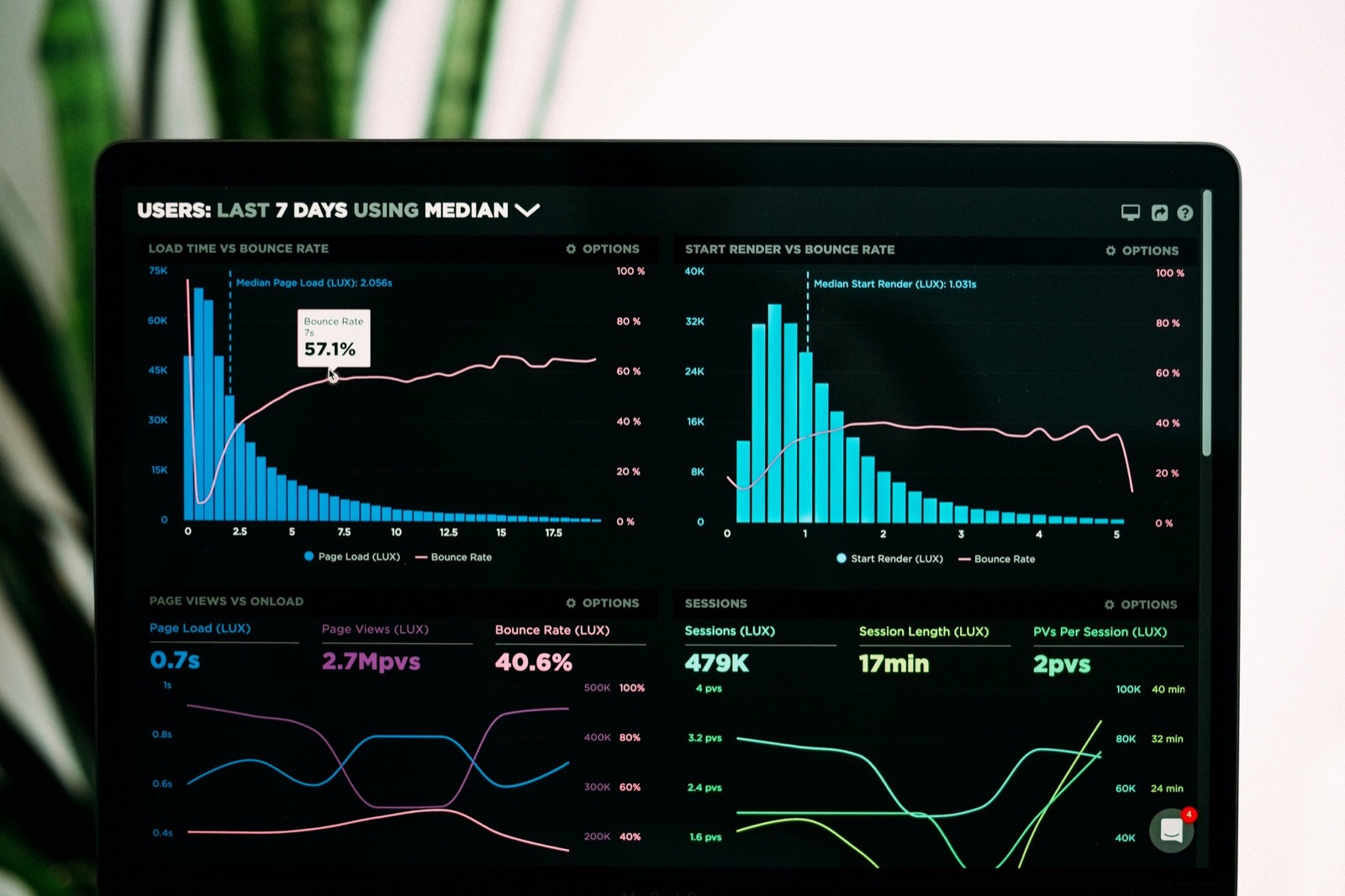
Users expect pages to load instantly. Slow websites lead to higher bounce rates and lower rankings.
Mobile Experience
Most searches happen on mobile devices. Responsive design is now a necessity, not an option.
Site Architecture
Clear navigation and logical page structure help both users and search engines.
Crawlability
Search engines need to easily discover and index your content.
Structured Data
Schema markup helps search engines better understand your website and can improve visibility in search results.
Core Web Vitals
Google continues to use user experience metrics as part of its ranking systems.
Regular technical audits are essential for maintaining search performance.
4. Topical Authority Beats Individual Keywords
Rather than optimising isolated pages for individual keywords, successful SEO strategies now focus on building topical authority.
For example, an SEO agency might create content around:
- Technical SEO
- Local SEO
- Ecommerce SEO
- Content marketing
- Link building
- Google Ads
- Analytics
- Conversion optimisation
By creating comprehensive coverage around a topic, search engines gain confidence that your website is an authority in that area.
This strategy often produces significantly stronger rankings than targeting single keywords independently.
5. User Experience Is a Ranking Factor
Google wants to rank websites that users enjoy using.
Important user experience factors include:
- Fast page loading
- Mobile responsiveness
- Easy navigation
- Clear calls to action
- Readable typography
- Helpful content structure
- Low bounce rates
- Strong engagement signals
A website that frustrates users will struggle to achieve sustainable rankings.
SEO and user experience are no longer separate disciplines—they work together.
6. Local SEO Continues to Grow
For businesses serving local markets, local SEO remains one of the highest-return marketing channels available.
Important local ranking factors include:
- Google Business Profile optimisation
- Consistent business information
- Customer reviews
- Local backlinks
- Location-specific landing pages
- Local content marketing
- Citation management
Businesses that invest in local SEO often dominate search results within their service areas while spending significantly less than traditional advertising channels.
7. Quality Backlinks Still Matter
Backlinks remain one of Google's strongest ranking signals.
However, link building in 2026 is focused on quality over quantity.
Effective link acquisition strategies include:
- Digital PR campaigns
- Original research and data studies
- Guest publishing
- Strategic partnerships
- Industry directories
- Resource page outreach
- Shareable content assets
Low-quality link schemes and purchased backlinks continue to carry significant risk.
A small number of high-authority links often outperform hundreds of low-quality ones.
8. AI Has Changed SEO—But Not Replaced It
Artificial intelligence has transformed how SEO professionals research, analyse, and create content.
AI can help with:
- Keyword research
- Content briefs
- Topic clustering
- Competitor analysis
- Content ideation
- Technical auditing
- Workflow automation
However, AI has not replaced strategic thinking, industry expertise, or quality content creation.
The businesses succeeding with AI are using it as an assistant, not a replacement for human expertise.
9. Analytics and Data Drive Better SEO Decisions
Modern SEO is increasingly data-driven.
Important metrics to monitor include:
- Organic traffic growth
- Keyword rankings
- Click-through rate
- Conversion rate
- Revenue attribution
- User engagement
- Bounce rate
- Technical performance
- Backlink acquisition
Without accurate data, SEO becomes guesswork.
Businesses that consistently measure and optimise their performance achieve the strongest long-term growth.
What Doesn't Work in SEO Anymore?
Many outdated tactics still circulate online but deliver little value in 2026.
Avoid:
- Keyword stuffing
- Thin content
- Mass AI-generated articles
- Buying backlinks
- Duplicate content
- Spam directories
- Hidden text
- Private blog networks
- Low-quality guest posting
- Manipulative SEO tactics
Shortcuts rarely produce sustainable results.
The Future of SEO
SEO in 2026 is no longer about trying to trick search engines. It's about creating genuinely valuable experiences for users while helping search engines understand your content.
The businesses achieving the best results focus on:
- Search intent
- Content quality
- Technical performance
- User experience
- Topical authority
- Quality backlinks
- Data-driven optimisation
SEO remains one of the most powerful long-term growth strategies available. While algorithms will continue to evolve, the fundamental principle remains unchanged:
Create the best possible experience for your audience, and search engines will reward you for it.